
If you're thinking about hiring an in-home caregiver for yourself or a loved one, you’re not alone. According to a 2015 study by the Department of Health and Human Services, about half of Americans over age 65 will need long-term care for two years or less. About one in seven will need care for more than five years.
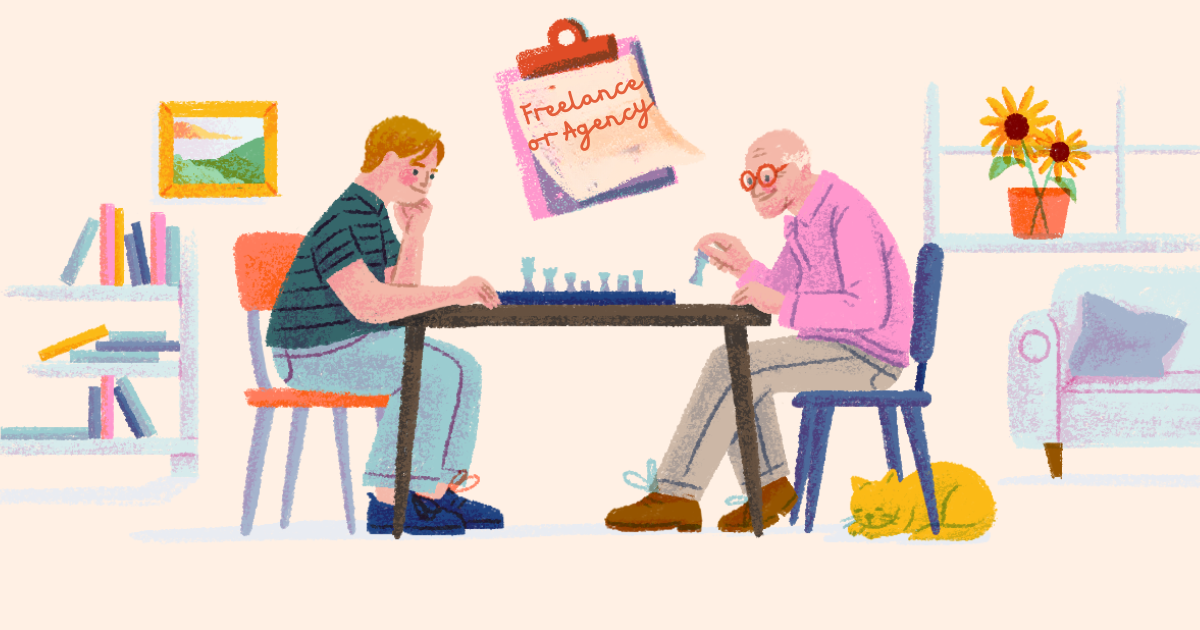
As more people plan for their own care—or for aging parents—it’s helpful to understand your options. The two main paths are hiring a home care agency or working with an independent caregiver. Each option has pros, cons, and key differences that can affect your family’s experience.
What’s the difference between a home care agency and an independent caregiver?
It mostly comes down to who the caregiver works for. With a home care agency, the caregiver is an employee of the agency. When you hire an independent caregiver, they work directly for you. But that’s just the start—things like liability, scheduling, and what services they’re allowed to provide can also vary quite a bit. Let’s get into the details.
Hiring an independent or freelance caregiver
Independent caregivers work directly for your household, which means you’re in charge of hiring, background checks, and managing payroll and taxes.
Many families find caregivers through personal referrals, online job boards, or caregiver registries. Once hired, the caregiver is considered your household employee, and you’ll need to make sure you’re set up to pay them legally.
Hiring a home care agency
When you go through a home care agency, the agency is the caregiver’s employer—not you. They handle hiring, training, payroll, taxes, insurance, scheduling, and more. Many agencies also offer a backup caregiver if your usual one can’t make it that day.
You can usually find a local agency by asking around or searching online. When you connect with one, ask about services, pricing, and how quickly they can place someone in your home.
Pros and cons of hiring an independent caregiver
Pros
- Lower cost: While costs can vary across the country, freelance caregivers typically charge less than agencies, as they are keeping the entire wage, while agencies take a commission.
- More control: You set the schedule, assign tasks, and work directly with the caregiver. This can be a great fit if you need help with things like driving to appointments or errands—services that agencies may not allow.
- Stronger personal connection: Working with the same caregiver consistently can make it easier for them to understand your needs and lessen the burden of explaining things multiple times.
Cons
- Sourcing and hiring: It can be time consuming and difficult to hire and manage an employee, especially if you do not already have a connection to caregivers in your area. In the unfortunate case that your caregiver is not the right fit, you must spend the time to search for another and go through the entire hiring process again.
- You’re the employer: That means handling payroll, taxes, workers’ comp insurance, and compliance. If something isn’t done right, there could be financial or legal consequences.
- No coverage when they’re out: If your caregiver gets sick or needs time off, you’ll need to find and schedule a backup.
Pros and cons of hiring a home care agency
Pros
- Fewer administrative tasks: Agencies take care of background checks, taxes, insurance, and legal compliance.
- Built-in backup: If your caregiver is sick or unavailable, the agency can usually send someone else quickly.
- Easier caregiver changes: Not the right fit? Agencies can reassign someone new without requiring you to start from scratch.
Cons
- Higher cost: Agencies usually charge more per hour, and that can add up depending on your location and how much care is needed. Due to the agency taking a cut of the fees, sometimes caregivers can be less experienced or have a shorter tenure on the job.
- Less control: You’re not the employer, so the agency sets limits on what tasks the caregiver can do.
- Less consistency: You might not see the same caregiver every day, which can affect relationship-building and routine.
How to decide what’s right for your family
There’s no one-size-fits-all answer. Your best option depends on your budget, comfort level, and your loved one’s care needs.
Consider your budget and legal responsibilities
- Can you afford to pay agency rates? In 2025, the median cost of nonmedical in-home care ranged from $24 to $43 per hour depending on the state.
- Do you feel comfortable handling taxes and payroll?
- Would you rather pay more to avoid administrative tasks?
Think about care needs
- Does your loved one need specialized medical support? You may wish to use an agency, as they can offer nurses or other certified caregivers.
- Will transportation, errands, or custom tasks be part of their care? You may want to use an independent caregiver, as they can be more flexible in the services they offer.
Consider continuity of care
- Is daily consistency important to your family?
- Would you prefer one caregiver long-term, or are you okay with a rotating schedule?
Questions to ask before hiring a caregiver
If you’re considering a home care agency
- Are your caregivers employees or contractors?
- Are they licensed, bonded, and insured?
- Do you run background checks and verify certifications?
- What services do your caregivers provide (e.g., medical care, transportation)?
- What happens if a caregiver is unavailable?
- Can I request or interview specific caregivers?
- Who supervises your staff?
- What’s your cancellation or termination policy?
- How will we stay in touch with the caregiver and the agency?
If you’re considering a freelance caregiver
- Can you provide references and consent to a background check?
- Are you trained in elder care, CPR, or first aid?
- Are you open to a written contract outlining pay and duties?
- Do you carry personal liability insurance?
- Are you legally authorized to work in the U.S.?
- Are you willing to be paid legally (“over the table”)?
- What’s your availability for emergencies or weekends?
- How do you prefer to communicate with the family?
Choose the caregiver option that fits your family
At the end of the day, it’s about what works best for you and your family. If you value convenience, legal simplicity, and consistent coverage, a home care agency may be the way to go. If you’re looking to save money and are comfortable being the employer, an independent caregiver might be a better fit.
The key is to take your time, ask the right questions, and make a choice that supports your family’s well-being.
Using Poppins Payroll to pay your freelance caregiver
If you decide to go the independent route, you don’t have to figure out payroll and taxes on your own. Poppins Payroll is built specifically for families with household employees like nannies and caregivers.
Here’s how we make it easy:
- Quick setup: Sign up in minutes. We’ll register you as a household employer, get your EIN, set up state accounts, and file your new-hire paperwork.
- Paperless records: All documents are securely stored and easily accessible.
- Expert help: We track deadlines, file your federal, state, and local taxes (where possible), and make sure every paycheck is accurate.
Get started with Poppins Payroll for free and join thousands of families who trust us to handle the hard stuff.